
As a company providing affiliate marketing services, achieving success relies not just on your industry expertise but also on your adherence to the rules and regulations that govern the industry. Ignoring these issues can lead to legal challenges and damage your reputation. We have created a guide which will cover crucial steps to help you stay compliant with affiliate program regulations and establish favorable relations between advertisers and publishers.
This article is useful for publishers looking to:
- Ensure compliance with laws and regulations such as the Federal Trade Commission (FTC) guidelines, GDPR, CCPA and other applicable laws in various jurisdictions.
- Clearly define the roles, responsibilities, and expectations of the advertisers and affiliate networks.
- Establish performance metrics and reporting standards to measure the effectiveness of campaign activity.
- Specify the commission structure, payment schedule, and conditions under which payments will be made.
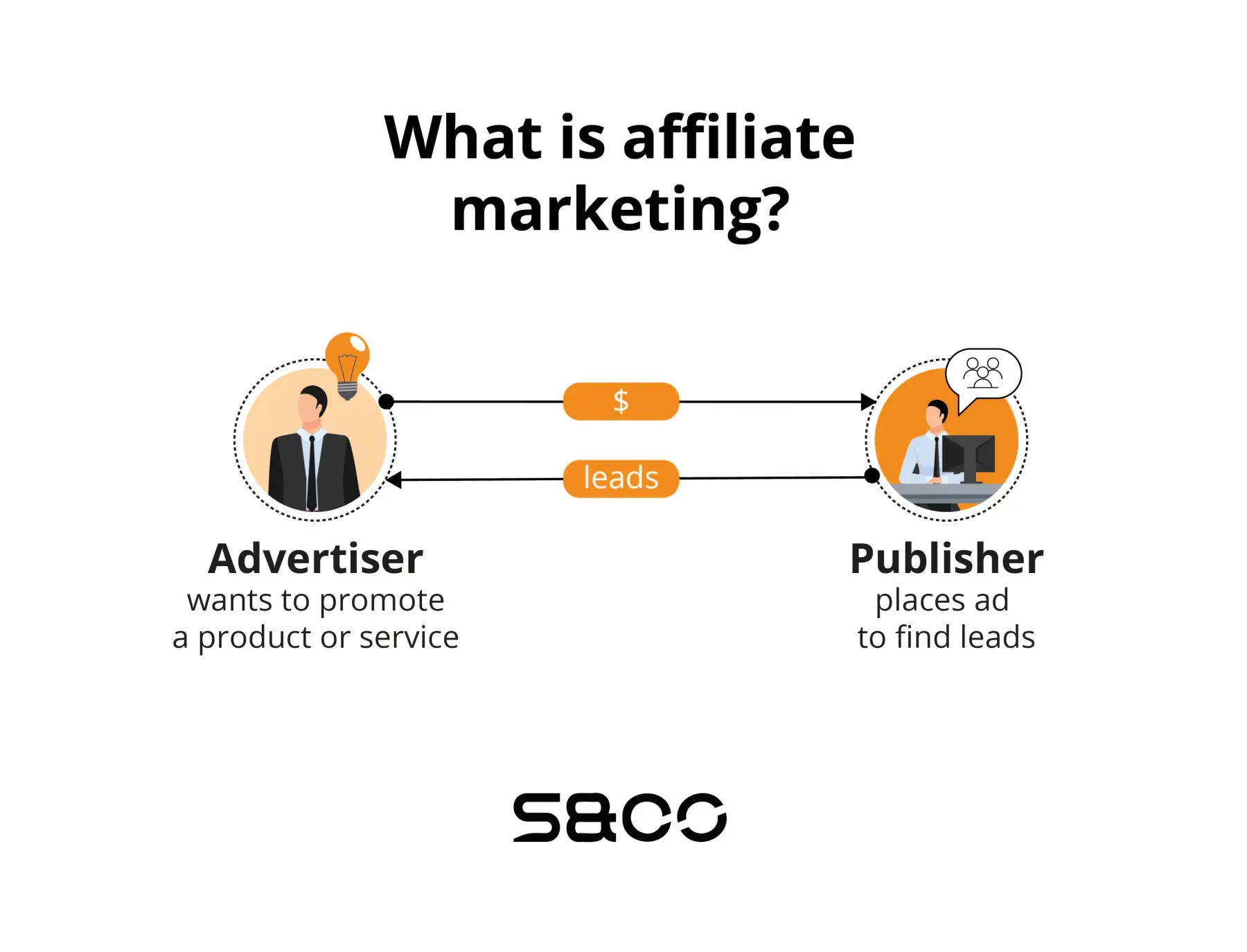
Let’s define some terms to create a baseline understanding. Advertiser is a person or a company, which wants to promote a product or service and asks a performance marketing company, which is a publisher, to undertake the promotion campaigns for leads or actions generation.
The lead refers to a potential customer who has expressed interest in an advertiser's products or services. Lead data, which must be transferred from the publisher to the advertiser, can include name, email, phone number, age, location, website interactions, purchase history, interests, and pain points.
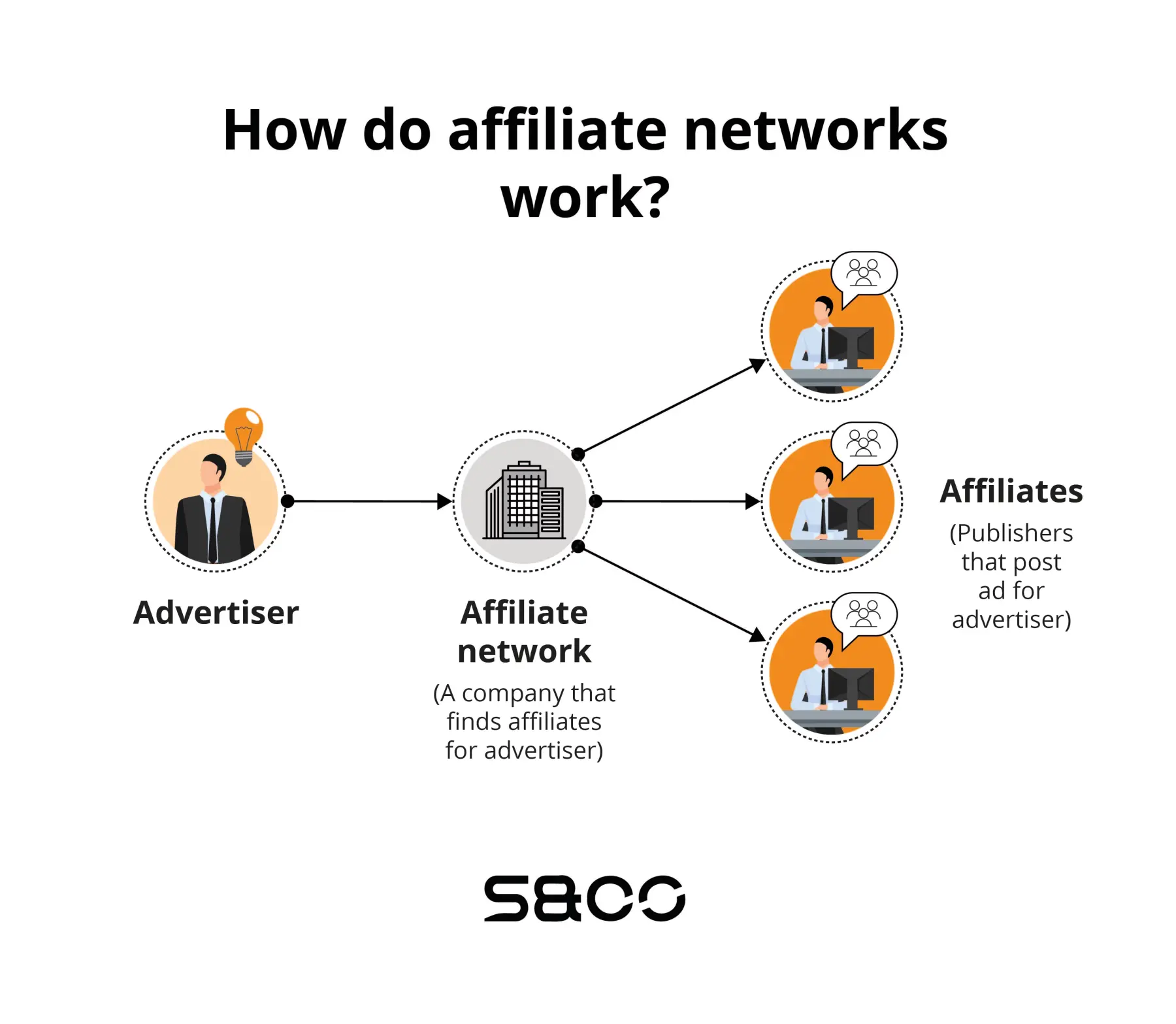
Often, a performance marketing company`s business model is based on the company itself acting as a publisher, but sometimes it acts as a network and engages third parties - affiliates or sub-publishers, for the advertiser`s campaign implementation by posting advertiser`s materials on websites, mobile applications or other resources owned or controlled by such affiliates or sub-publishers. We will explain the issues connected to both models to provide full information about possible legal challenges regarding affiliate-based promotion.
Legal framework for affiliate promotion
Many companies ask: “Is affiliate marketing legal?” The short answer is yes — provided that businesses comply with applicable advertising, data protection, and consumer protection laws.
This activity is overseen by the regulatory authorities of each country. In the United States, the Federal Trade Commission (FTC) is responsible for regulating affiliate practices. For affiliate agreement compliance you need to follow the Telephone Consumer Protection Act, the Telemarketing Sales Rule, the Financial Services Modernization Act, CAN-SPAM Act, CCPA, and other acts.
In Canada, advertising and promotional practices are regulated by the Competition Act.
Key legislation and guidelines in the UK include:
- Сonsumer Protection from Unfair Trading Regulations
- Business Protection from Misleading Marketing Regulations
- GDPR
- Advertising Standards Authority (ASA) guidelines
- Financial Conduct Authority (FCA) regulations
These regulations are generally aimed at ensuring that the businesses’ advertising activity does not violate the rights of Internet users, protecting them from spam, and giving them the right to file complaints if their rights are violated. For example, the FTC has implemented the National Do Not Call registry. A person registers a phone number and email to block unwanted, annoying, telemarketing, spam calls and emails. Based on the data of this registry, the Suppression list is formed. This is a list of users who do not want to be contacted about advertising.
In addition to the legal requirements of each country, we recommend that publishers pay attention to the contract provisions in the following documents:
- Publisher service agreement.
- Privacy Policy. More information is here.
- Affiliate marketing Terms and Conditions.
Let’s take a look at the first one. Our lawyers created guidelines for drafting the Publisher service agreement to help performance-focused companies implement legal requirements and hold both the advertisers and publishers accountable to the terms of the contract.
Publisher service agreement
In order to provide the best service possible, it’s important to agree to common terms that ensure all parties understand their roles, responsibilities and liabilities. For this reason we advise you to add the following clauses to your agreement with advertisers.
Advertising content
When drafting an agreement it is crucial to set content standards and advertiser responsibilities.
The advertiser can provide the publisher necessary ad materials such as text, banners, buttons, text-links, underlying URLs, co-registration paths, pop-ups, pop-unders, subject lines, promotional email artwork, graphic files, and similar online media. At the same time the advertiser can ask the publisher to develop ad materials. If the publisher develops any ad materials at the advertisers’ request, the publisher can set a clause that requires the advertiser to agree to use these materials exclusively in campaigns conducted by the publisher.
❗Avoid provisions that make the publisher liable for advertising materials or other content provided by the advertiser. The publisher should only be liable for those advertising materials or other content that were created by the publisher itself.
Ad materials must meet community standards and conform to the requirements, guidelines, and policies previously agreed to by the advertiser and the publisher, and all applicable laws. The advertiser is solely responsible for ensuring that materials, provided by it, comply with applicable laws, regulations, and policies (for example, policies of some platforms such as Google, Facebook, Snapchat, etс.). This means the advertiser will be responsible for any negative consequences relating to the ad materials. Moreover, it is crucial for the publisher to have the right to reject or cancel ad materials if they violate legal requirements, so we recommend setting this clause in the agreement.
We advise that the advertiser must warn the publisher of any changes to ad materials. Here is an example of a clause you could add to your contract: the advertiser agrees to provide at least five business days' notice to the publisher of any changes in the advertising creatives, payouts, links, websites, or other advertising content. This notice period allows the publisher sufficient time to cancel the current running advertising campaign.
Lead acceptance and rejection
The advertiser and the publisher must agree on what lead data is and the criteria of its validity. Lead data is a unique set of information about a potential customer, including the type of product or service they’re interested in. Lead data includes the customer’s request for a specific product or service and may consist of:
- a description of the project type, problem, issue, or product/service category the customer is interested in;
- the customer’s contact information: first and last name, address, phone number, and email;
- the date and time stamp of when the data was collected;
- evidence of the consumer’s prior express written consent to be contacted, and other information.
The next step is to agree on how the advertiser can reject a lead or lead data and not pay the publisher. Here are some reasons why an advertiser would reject a lead.
- The lead has wrong, invalid, or fake customer info, wrong service type, or any errors in mapping or business rules.
- If the contact person says they never asked about the service and didn’t want to be contacted.
- If it's the same as the lead provided before.
- If it's a fraudulent lead or was generated through misrepresentation, incentivized traffic, fax ads, sweepstakes, contests, or raffles.
❗Any lead rejection or cancellation must be properly explained. The advertiser needs to justify the cancellation with appropriate evidence.This could be anything from screenshots, email correspondence, reports, or any other relevant proof that show why the lead is being rejected.
Invalid actions
You need to include a clause that addresses invalid actions and the quality of traffic. This ensures that both parties have a clear understanding of how to handle situations where key performance indicators (KPIs) are not fully met.
Invalid actions include clicks, impressions, or conversions generated through fraudulent means such as automated bots, false user accounts, or any deceptive practices that do not represent genuine user engagement. If any traffic was generated fraudulently, such traffic will not be counted towards the campaign’s results. Traffic identified as invalid will not be counted towards the campaign’s performance metrics, and the advertiser will not be charged.
Both the publisher and the advertiser should approve the KPIs for each ad campaign. These KPIs set the performance benchmarks that the campaign aims to achieve.
Tracking and payments
Here are some key pieces of advice to help publishers create a comprehensive "Tracking and Payment" clause. Payments are based on the number of successful leads or actions generated by the campaign. You need to set how often reports will be provided, for example, once a month.
❗Pay attention to the provisions regarding tracking systems. It is important to note that both the advertiser and the publisher have the ability to track data.
For example, in 2025 a lawsuit against Capital One alleged that its browser extension redirected affiliate commissions by affecting tracking attribution. The dispute shows how unclear tracking and attribution rules can lead to lost revenue for publishers and payment conflicts. This is why a Publisher Service Agreement should clearly define tracking systems, attribution logic, and which reports are considered final.
It would be beneficial for the publisher to agree that the publisher's reports will be the only proof of what’s owed and will be final and binding for the advertiser.
The next step is to set invoicing rules: confirmation terms, sending of invoices, and payment deadlines. Let’s look at an example:“Based on the data from the publisher's tracking system, the report must be sent within five calendar days from the publisher to the advertiser who then must confirm the number of successful leads or actions within three days. After that, the publisher will send an invoice within five calendar days after such confirmation is received. Payments must be made by the advertiser within 10 calendar days”.
Most often, the parties choose a post-payment arrangement, where the publisher is in a more vulnerable position. Therefore, we recommend including in the agreement the advertiser's liability for delayed payment in the form of a penalty for each day of delay, for example, one percent of the overdue amount for each day.
We also suggest stipulating in the agreement the publisher's right to suspend the provision of services until full payment is received from the advertiser. Additionally, if the advertisers continue to delay payments, the right to change the payment arrangement from post-payment to full prepayment should be included, which will serve as a guarantee of payment for the publisher.
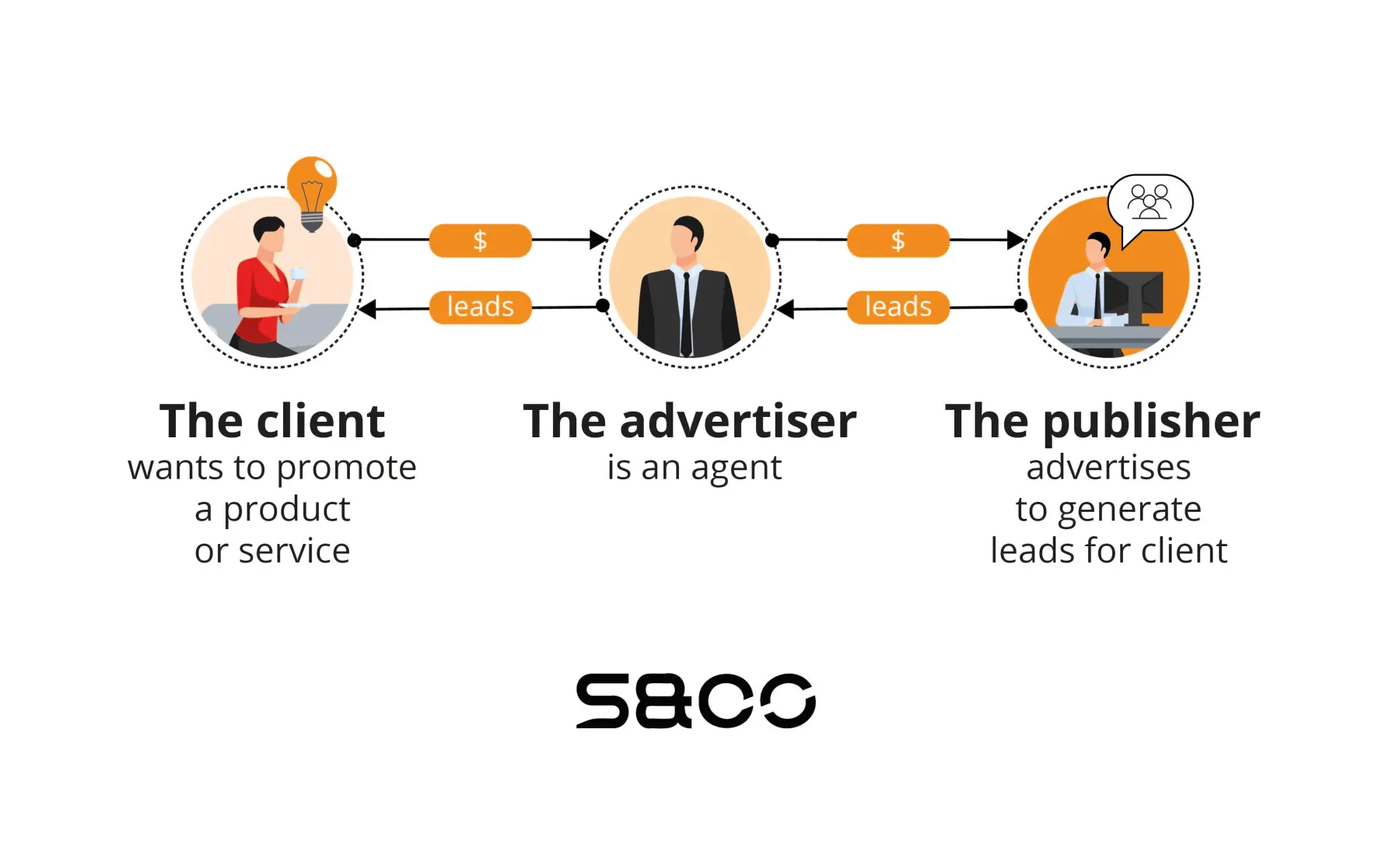
❗Sometimes the advertiser acts on behalf of its clients acting as an agent of those companies that want to advertise their products/services. In this case it is crucial to avoid provisions that the advertiser (agent) can delay or reduce payments to the publisher in the event that their client hasn’t paid them yet. If the publisher is providing valid leads, they need to be paid in full, on time. The publisher is not taking on the risk of the advertiser`s clients nonpayment. It’s up to the advertiser (agent) to manage their client relationships and payment issues.
Representation and warranties
The "Representations and Warranties" clause is crucial for defining the obligations and guarantees of both parties. This clause helps to ensure compliance with legal standards and sets clear expectations.
The advertisers must represent and warrant that:
- They will not use affiliate marketing services for any purpose that violates the terms of the agreement or any applicable law or regulation.
- If any dispute or claim arises regarding content provided by advertisers, they must resolve the issue.
- The links contained in the advertisements are directed to the intended destination and will not be changed without prior notice to the publisher.
If the publisher places ads through its affiliate network, it’s important to pay attention to clauses about publisher`s responsibility for the affiliate’s actions. If it is possible, add to the agreement the next provision: the publisher is not responsible for the conduct of its affiliates. Any claims by the advertiser, a third party, or government entity that an affiliate has violated any law, regulation, or third party’s rights must be resolved by the affiliates. Any such claim must be made directly against the affiliate.
❗Avoid any provisions that state that the publisher is responsible for the creatives used by affiliates.
Disclaimers
This clause outlines the extent of the publisher’s responsibilities and limits its liability in case of any issues arising from the provided services. Here is a list of disclaimers we recommend that you include in any agreement:
- No warranty on service requirements. The publisher does not guarantee that the services will meet the advertiser’s requirements, because they are provided "as is" and "as available".
- No warranty on service continuity. The publisher does not warrant that the services will be uninterrupted or error-free, or that any defects will be corrected. Interruptions, errors, or delays may occur.
- No warranty on results. The publisher does not make any warranties regarding the results that may be obtained. There is no guarantee on the accuracy or reliability of any information.
- No guarantee on traffic quantity. The publisher does not guarantee the quantity or quality of traffic for any particular campaign. Traffic results may vary and are not assured.
The publisher is not responsible for any loss of anticipated profits, business, revenue, or goodwill. Moreover, the publisher is not liable for any indirect damages that arise because of services rendered. This includes things like lost data, business interruptions, or other commercial losses.
If the publisher works with an affiliate via its network and such affiliate fails to appropriately provide services, the advertiser's remedy is to take action directly against the affiliate, who provided services, not the publisher.
There some others clauses you need to add to your agreement:
- Indemnification. This clause may state that the advertiser agrees to defend, indemnify, and hold the publisher harmless from any losses or liabilities arising from third-party claims related to breaches of the agreement or violations of laws by the advertiser. Additionally, it should specify that the publisher's liability for any damages to the advertiser will be limited to the total amount paid by the advertiser to the publisher in the six months preceding the claim.
- Non-circumvention and Non-solicitation. This clause stipulates that the advertiser agrees not to directly or indirectly solicit or hire any employees, contractors, affiliates, or vendors of the publisher.
- Confidentiality. This clause should outline that both parties commit to keeping all confidential information strictly confidential. It should specify procedures for sharing information with external parties, penalties for breaches of confidentiality, and the requirement to return or destroy confidential information upon termination of the agreement. We created an article about Non-disclosure agreements to help our clients manage this issue.
- Term and termination. This clause stipulates the term during which the agreement will be valid and conditions to its termination.
- Dispute resolution. We recommend starting dispute resolution from negotiation. If it is unsuccessful, the dispute can be resolved through mediation, facilitated by a neutral mediator, before pursuing litigation.
Drafting comprehensive documents for affiliate marketing services is essential for creating a structured, legally compliant, and efficient affiliate program. It not only protects the publisher but also ensures a fair and transparent relationship with advertisers and affiliates, contributing to the overall success of the affiliate marketing strategy.
